
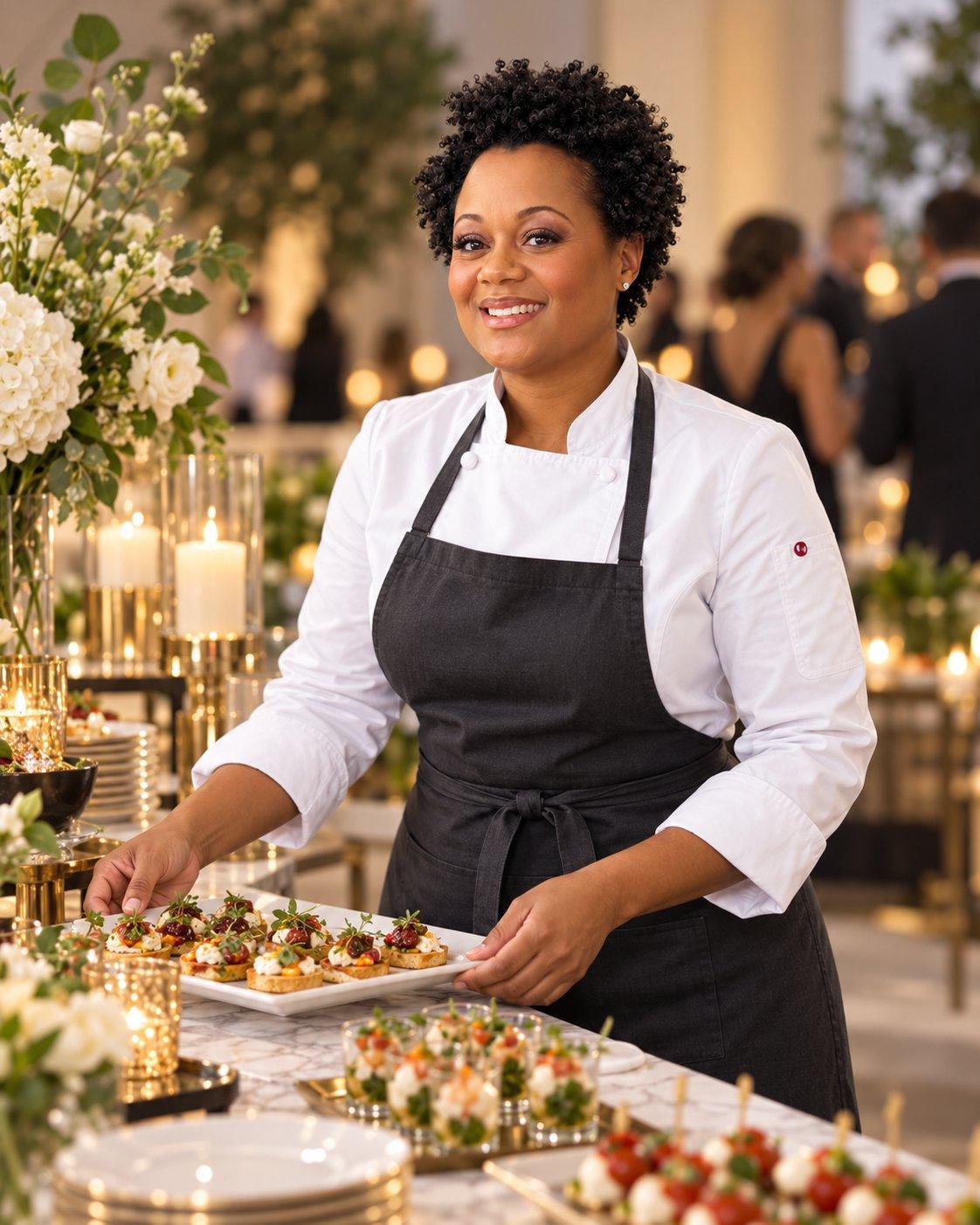
Choose the setting that already means something.
For Dallas–Fort Worth hosts who could gather guests at a private club, museum, or restaurant but choose home instead, the setting is part of the invitation. It offers familiarity, discretion, and a more personal kind of hospitality. The rooms carry history. The table reflects the host. The evening can unfold with greater ease.
A private chef experience brings that intimacy into focus.
It is not simply a meal prepared in your kitchen. It is a considered approach to hosting: one that allows food, space, pacing, and conversation to work together. For philanthropists, cultural patrons, legacy families, and those who understand the quiet power of a well-hosted evening, a private chef at home has become a refined signature of taste.
Let home set the tone
A venue provides structure. Home provides meaning.
An intimate dinner at home can move naturally from cocktails in the library to dinner beneath a covered terrace, from a formal first course to a relaxed final pour at the kitchen island. Guests experience the residence as part of the evening, not simply as a backdrop.
That flexibility is especially valuable for gatherings with a distinct purpose:
- A salon for cultural patrons and board members
- A dinner before or after a benefit
- An anniversary or milestone celebration
- A rehearsal dinner for close family
- A private tasting for valued clients or collaborators
- An intimate gathering that deserves more than ordinary catering
The result feels personal without becoming informal. The setting is familiar, but the experience is elevated.
Design the menu around the season
A private chef experience begins with the menu, but it should not end there.
At Knife & Faulk, seasonal ingredients guide the culinary direction. The menu is shaped around what is fresh, what is appropriate to the occasion, and what will create balance across the evening. Each course has a role, whether it opens the conversation, provides a moment of contrast, or brings the table to a natural close.
Seasonality also gives the experience a sense of place. A summer dinner may center bright produce, chilled preparations, and delicate herbs. An autumn gathering may call for roasted vegetables, warm grains, richer sauces, and restrained notes of spice. The menu remains polished without feeling overly constructed.
This is where thoughtful customization matters. Share the mood, the guest list, the timing, and the flavors that feel most appropriate. A skilled culinary team can use those details to create a menu that feels intentional rather than selected from a standard list.
Dietary needs are considered with the same care. Vegetarian, vegan, gluten-free, and celiac-safe options can be planned from the beginning so every guest experiences the same level of attention.
Treat food as a design element
Fine hosting is rarely defined by one detail. It is defined by how the details relate to one another.
The menu should belong to the room. The presentation should complement the table. The pacing should allow conversation to remain central. The service should feel present when needed and nearly invisible when it is not.
This is the foundation of Knife & Faulk's food-led approach. Food is treated as a design element: not as an isolated service, but as part of the environment. A composed plate can echo the colors of a floral arrangement. A shared course can change the rhythm of the table. A carefully placed display can guide guests from one part of the home to another.
Presentation does not need to be excessive to make an impression. In a private residence, restraint often carries more weight. A dark ceramic plate, a warm sauce, a precise garnish, and a single seasonal element can create a more memorable table than an arrangement crowded with unnecessary detail.
Create the right rhythm
A private chef experience should feel composed, never rushed.
Before the evening begins, the menu and service plan can be aligned with the natural rhythm of the gathering. Determine when guests will arrive, where they will begin, whether the first bites should be passed or placed, and when the transition to dinner should occur.
Then consider the pauses.
A meaningful dinner needs space for conversation, toasts, stories, and unplanned moments. Courses should arrive with precision, but not interrupt the atmosphere. A thoughtful service team understands when to explain a dish, when to clear quietly, and when to allow the table to remain undisturbed.
This is particularly important for dinners connected to a larger purpose. A cultural conversation may require a slower pace. A patron dinner may include remarks or a presentation. A family gathering may be built around storytelling rather than a formal program.
The menu can support each format. The service can adapt without losing its polish.
Choose intimacy without compromise
Hosting at home is often perceived as more complicated than gathering at a venue. There are more variables to consider: the kitchen, service areas, rentals, guest flow, timing, and cleanup.
That is precisely why professional execution matters.
A private chef experience should simplify the evening, not add another layer of responsibility. The culinary team can help clarify the menu, assess the kitchen setup, coordinate timing, prepare the food, serve each course, and restore the space once guests have departed.
The experience remains personal because it happens at home. It remains seamless because the logistics are handled with care.
This is the balance discerning hosts look for: the comfort of a private residence with the precision of a well-run dining room. Elevated food, thoughtfully delivered. A beautiful evening, without managing every detail from the host's seat.
Consider the table as a gathering place
The table is not only where dinner is served. It is where the evening becomes shared.
For intimate hosting, the table's design should support connection. Consider the shape, the sightlines, and the distance between place settings. Keep the center low enough for conversation. Use materials that bring warmth without competing with the food. Let the menu provide some of the color and movement.
A private chef can work in close relationship with the broader design of the evening. That may mean a refined plated dinner, an elegant family-style service, a sequence of small courses, or a combination of passed bites and seated dining.
The right format depends on the home and the guests. A formal dining room may call for a composed multi-course experience. A terrace gathering may be better suited to a menu that moves easily between standing and seated moments. A smaller dinner may benefit from chef-led presentation at the table.
There is no single definition of luxury. The most successful gatherings are the ones that feel considered from beginning to end.
Host with quiet confidence
The most memorable hosts are not necessarily the most visible. They create the conditions for guests to feel welcome, comfortable, and engaged.
A private chef at home supports that kind of hosting. It allows the host to remain part of the evening rather than disappearing into preparation. It gives guests something distinctive to experience while preserving the ease and discretion of a private residence.
At Knife & Faulk, each experience is designed around the people, place, and purpose of the gathering. Seasonal ingredients, thoughtful presentation, precise execution, and attentive service come together to create a culinary environment that feels at home in every sense.
For a private dinner in Dallas–Fort Worth, the next step is simple: share your gathering with Knife & Faulk. Together, we can design the menu, flow, and service around the evening you want to host.
Your home provides the setting. The food gives it meaning.
This article first appeared on LinkedIn.